What makes a thief quit?
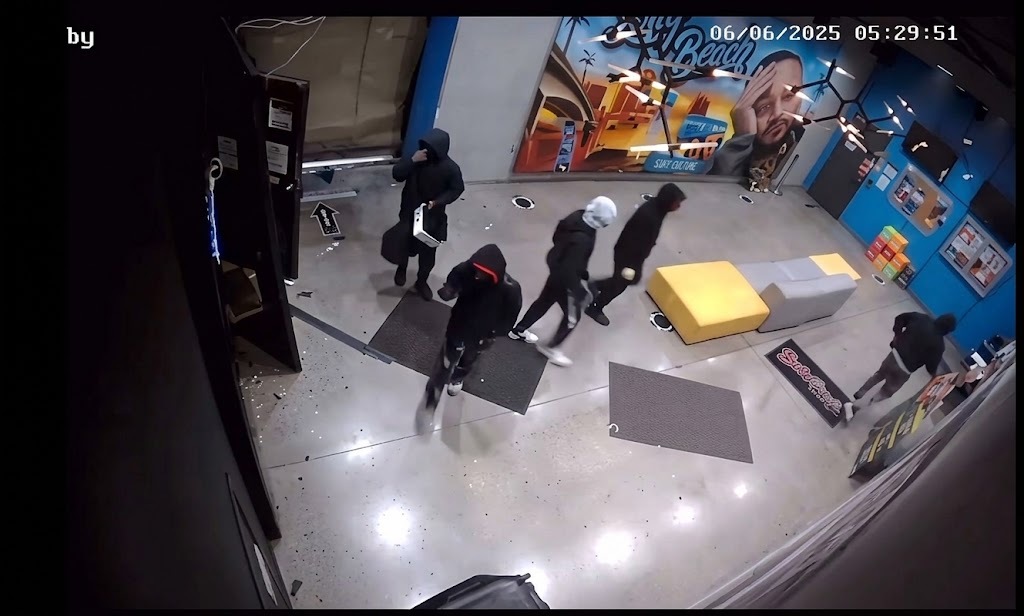
Break-ins happen.
In Los Angeles, they happen a lot.
I’ve been the person who gets the call at three in the morning and is on-site by four. Then the work starts. Call the team. Call the trades. Clean up the damage. Get the business up and running again that same day.
I’ve also watched more attempted break-ins through security cameras than I can count.
We’ve even experienced it at our own building. A group used a stolen car to force their way through the perimeter and a roll-up door.
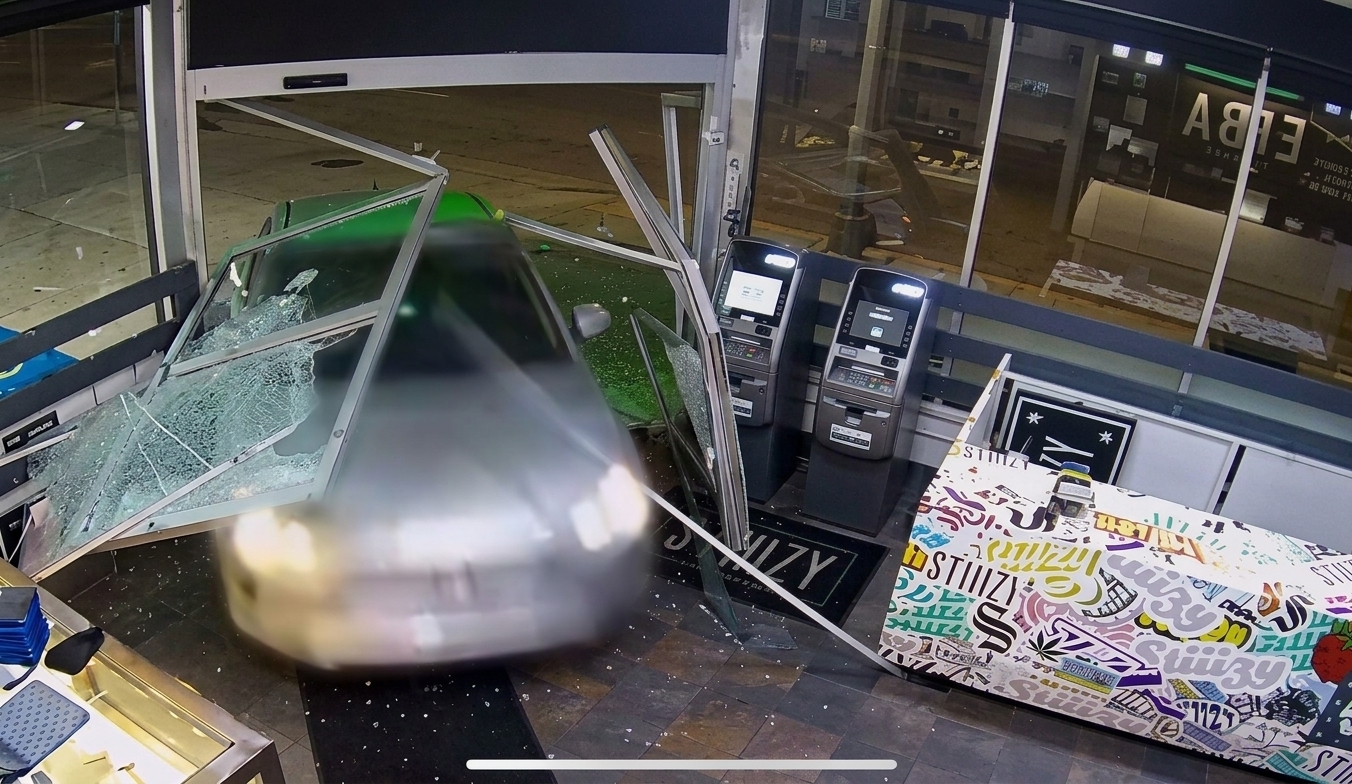
That changes how you think about security.
You learn quickly that no single door, gate, or camera is going to solve the problem.
Effective defensive architecture (as controversial as it sounds) has to be a complete system.
At Delta, we’ve spent years developing physical barrier plans, access-control systems, and security protocols. We’ve written reports that run hundreds of pages. We’ve worked through everything from emergency call lists and key hierarchies to fob access and insurance responsibilities. We also coordinate with trusted security contractors like Barton Integration, a partner we’ve worked with for years.
It’s a detailed process because it needs to be.
The physical side is important, but it comes with tradeoffs.
Fire codes limit how much you can obstruct. Planning departments may not allow you to completely close off a storefront. The building still has to feel open, attractive to the public, and welcoming during business hours.
Then there’s cost.
We’re always balancing what’s being protected, what the actual risk is, and how much security makes sense for the project.
Physical barriers work. But one barrier is not enough.
That’s why we design in layers.
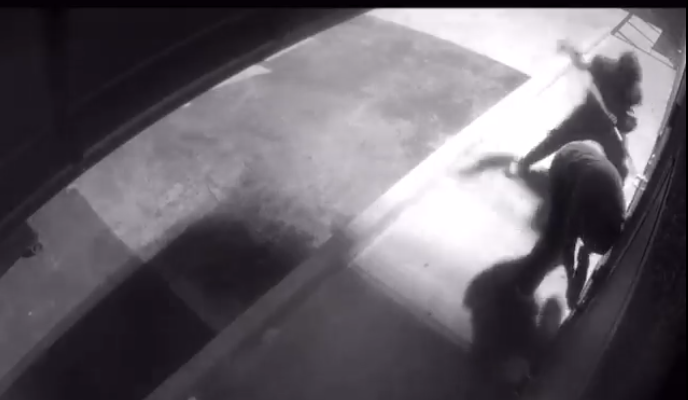
On a recent retail project, several people caused significant damage trying to get inside. They made it through one part of the building, but they still had another barrier between them and the sales floor.
By that point, the monitoring and response systems made it clear that they’d been seen. Alarms were going off. A remote guard was talking down to them. You can watch the perpetrators start to freak out on camera as this is happening, and they start to rush more and more. They've done a lot of work. They caused some damage. But not nearly the amount of damage that would have been created if they actually broke in.
Eventually they gave up.
That's the deterrence. That's the point.
The first layer doesn’t need to make the building impossible to enter. It needs to make getting through it slow, visible, and unrewarding. Then the next layer needs to do the same thing.
Monitoring is another part of that system.
You don’t want someone thinking they have all night. Lights come on. An alarm sounds. A live voice tells them they’ve been seen. Police or security are called.
A lot of people run as soon as they realize someone’s watching.
We saw the opposite happen on another property.
We were reviewing the lease when we learned that the building had been badly damaged. We had not taken custody of the site yet.
My guess is that the people responsible had been coming back for weeks. The building was vacant. Nobody was responding. They thought they had all the time in the world.
That’s the problem.
None of these systems work without a clear response plan.
Your SOPs are a good place to start.
Who gets called after a break-in? Who contacts the security contractor? Who has keys? Who has access to the master key? Who’s responsible for securing the property at the end of the day?
Those questions may seem basic. They aren’t.
Clear procedures keep people accountable. They also make the response faster when something goes wrong.
No building is impossible to enter. We’ve all seen Mission Impossible. That’s not the standard.
The goal is to make a break-in difficult, visible, and unrewarding enough that most people decide it’s not worth continuing.
That takes more than a security product.
It takes a plan.